Key takeaways
- Timber can be a large share of a wooded property’s value — or almost none, depending on species, age and access.
- A timber cruise by a consulting forester tells you what you actually have before you negotiate.
- Harvesting before a sale can raise cash but lowers the land’s sale price and adds work and risk.
- Timber sale income is often eligible for capital gains treatment, and you may be able to deduct a timber basis.
If your land is wooded, you are selling two things at once: the land itself and the trees growing on it. Some owners are surprised to learn their timber is worth thousands of dollars; others discover that young or low-grade trees add little to the price. Before you sell, it pays to understand how timber is valued, whether harvesting first makes sense, and how to protect yourself in any timber deal.
How Timber Adds Value to Land
Standing timber is valued at stumpage price — the price a timber buyer pays for trees standing in the woods, before harvesting and hauling. Stumpage depends on:
- Species — e.g., pine vs. hardwood; some hardwoods are especially valuable for veneer or lumber.
- Product class — sawtimber (large logs for lumber) is worth more than pulpwood (smaller trees for paper and chips).
- Volume and quality — how many trees per acre, their size, straightness and health.
- Access and logging conditions — roads, slope, wet ground and distance to mills.
- Local markets — the number of mills nearby and current demand.
Pine plantations in the South, for example, typically move from low-value pulpwood to more valuable sawtimber as they age over decades. A tract thinned a few years ago may be approaching a valuable final harvest, while a newly replanted tract may have little merchantable timber yet.
Get a Timber Cruise
A timber cruise is an inventory, usually done by a consulting forester, that estimates the volume and value of timber by species and product. Benefits:
- You know what you are selling and can negotiate from facts.
- It documents value for tax purposes (basis and depletion).
- Buyers take your price seriously.
Consulting foresters typically charge a fee or a percentage of a timber sale they manage. Your state forestry agency or extension service can help you find one. Many state forestry agencies also publish periodic stumpage price reports.
Option 1: Sell the Land With the Timber
Pros: one transaction, no logging disruption, buyers who want the timber or the “wooded” character will pay for it, and you avoid managing a harvest. Cons: some buyers discount timber value or don’t fully recognize it — which is why a cruise is helpful.
Option 2: Harvest First, Then Sell the Land
Pros: you capture timber value directly through a competitive timber sale. Cons:
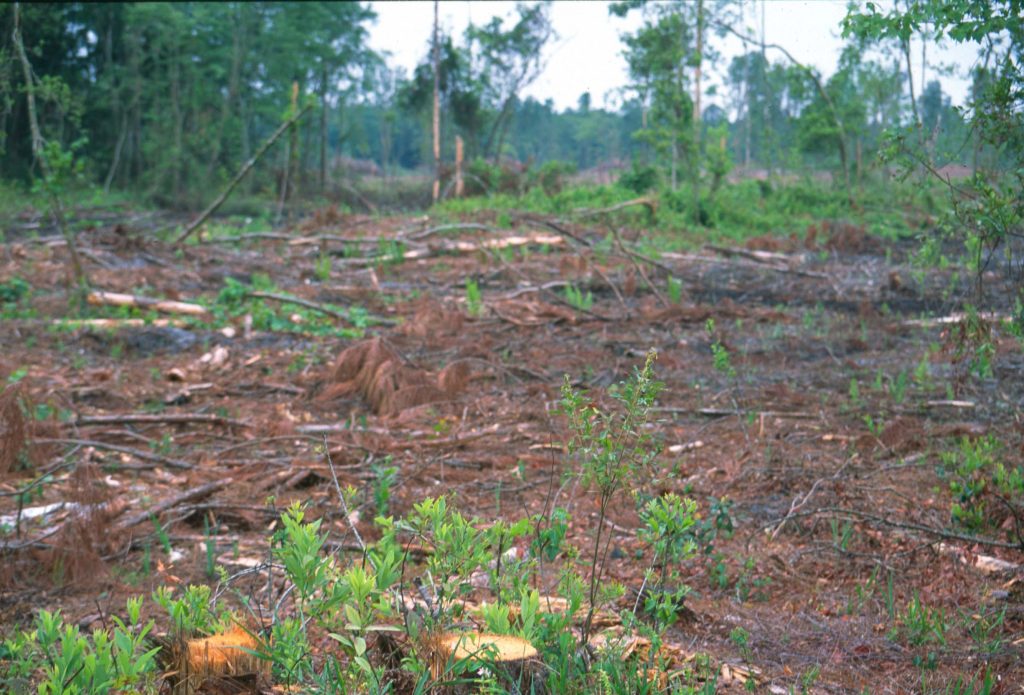
- Cut-over land is usually less attractive to many buyers, at least until it regrows.
- Logging can damage roads, leave debris and create erosion if not done well.
- It takes time to market timber, sign a contract, harvest and close out — often months.
- Some states have reforestation or best-management-practice requirements.
If you do harvest, use a written timber sale contract that specifies boundaries, payment method (lump sum vs. pay-as-cut), harvest period, road and stream protection, debris handling, insurance, and liability. A consulting forester can run a sealed-bid sale to get competitive prices.
Option 3: Sell Timber Rights Only
Some owners sell a timber deed giving a buyer the right to harvest within a set period, while keeping the land. This can be useful if you want to keep the property long-term. Be careful about long harvest windows that cloud your ability to sell the land later.
Comparing Your Options
| Option | Total value captured | Speed | Effort / risk |
|---|---|---|---|
| Sell land with timber | Good, if timber is recognized | Fast with a cash buyer | Low |
| Harvest, then sell land | Potentially highest | Slow | High |
| Sell timber rights only | Timber value; you keep land | Medium | Medium |
Taxes on Timber Sales
Timber held for more than one year is often eligible for long-term capital gains treatment rather than ordinary income, especially for investors who sell standing timber in a lump sum or under qualifying contracts. You may also be able to recover your timber basis (the portion of your purchase price or inherited value allocated to timber) through a depletion deduction, reducing taxable gain. Timber income is reported on IRS forms such as Form T (Timber) in some cases. The USDA Forest Service and state extension services publish helpful timber tax guides — and a tax professional familiar with timber is worth consulting. See also Taxes When You Sell Land.
Protect Yourself From Timber Scams
- Be cautious of buyers who knock on your door offering cash for “a few trees.”
- Get multiple bids, ideally through a consulting forester.
- Mark boundaries clearly to avoid trespass harvesting on — or from — neighboring land.
- Never let a harvest start without a signed contract and payment terms.
Frequently Asked Questions
Is my timber worth harvesting?
It depends on species, size, volume, access and local mill demand. A timber cruise is the best way to find out.
Will a buyer pay for my timber when buying the land?
Buyers who understand timber will factor it into their offer. Sharing a recent cruise helps ensure it’s recognized.
Can I sell land that was recently clear-cut?
Yes. Cut-over land generally sells for less than land with standing timber, but it still has value for replanting, recreation or future use.
Sell Wooded Land the Simple Way
KB Landholdings buys timber and forestry-use land — mature, young or cut-over — for cash, as-is. We consider the timber in our offer, and you’re welcome to share a cruise. Learn about our timberland service or get your offer.
Thinking about selling your land?
KB Landholdings pays cash for land in all 50 states, covers closing costs and can pay delinquent taxes at closing. Getting an offer is free and there is no obligation.

We buy land directly from owners across the U.S. These guides are general information, not legal or tax advice — see our disclaimer.