Key takeaways
- Land value is driven by what buyers can legally and practically do with it.
- Access, location, zoning and utilities usually matter most; topography, soils, flood zone and size refine the number.
- Use sold comparables — similar parcels that actually sold recently — rather than tax assessments or asking prices.
- Price per acre usually drops as parcel size increases.
“What’s my land worth?” is the first question nearly every seller asks — and one of the hardest to answer. Unlike houses, vacant parcels vary enormously, and there may be only a handful of comparable sales in a county each year. Two lots side by side can be worth very different amounts if one has road frontage and power and the other is landlocked in a swamp. Here are the 12 factors that determine land value and how to research each one.
1. Location and Demand
As with all real estate, location comes first. Distance to towns, jobs, schools, shopping, recreation and highways determines how many buyers are interested. Land near growing communities, lakes, mountains or popular recreation areas tends to be in higher demand. Population trends in the county are a useful clue: growing areas generally see more land sales and rising prices; shrinking areas, fewer buyers.
2. Legal and Physical Access
Access may be the single biggest value factor. Legal access means the parcel touches a public road or has a recorded easement across neighboring land. Physical access means you can actually drive to it. A parcel with paved road frontage is worth far more than one reached by an unrecorded dirt track — and a truly landlocked parcel may sell mainly to neighbors. Check the county GIS map and your deed for recorded easements. See how to sell landlocked or problem land.
3. Zoning and Permitted Uses
Zoning determines whether a buyer can build a home, run a business, place a manufactured home, subdivide or farm. Residential, agricultural, commercial and unzoned rural land attract different buyers at different prices. Also check minimum lot sizes, setbacks and whether the parcel is a legal, buildable lot under current rules. The county planning or zoning department can confirm this.
4. Utilities
Electricity, water and wastewater are expensive to bring to raw land. Parcels with power at the road and access to public water and sewer command a premium. Where public utilities aren’t available, buyers consider the cost and feasibility of a well, septic system or off-grid solar. Ask utility companies for the distance to the nearest line and an estimate to extend service.
5. Soil and Perc Test (Septic Suitability)
Where there is no public sewer, building a home usually requires a septic system, which requires soil that passes a percolation (“perc”) or soil evaluation test. Land that has passed a perc test is significantly more valuable to home buyers. The USDA’s Web Soil Survey offers free soil maps that indicate suitability, though only an on-site test is definitive.
6. Topography
Gently rolling or level land is generally easier and cheaper to build on and farm. Steep slopes, rock outcrops or ravines raise construction costs — though views can add value for recreational or mountain buyers. Topographic maps and the county GIS show elevation contours.
7. Flood Zones and Wetlands
Land in a FEMA Special Flood Hazard Area may require flood insurance and elevated construction, and wetlands are regulated under the federal Clean Water Act and state laws, limiting where you can build or fill. Both can reduce usable acreage and value. Check FEMA’s Flood Map Service Center and the U.S. Fish & Wildlife Service National Wetlands Inventory mapper.
8. Size and Shape
Larger parcels sell for more in total but usually less per acre; small parcels often command a higher per-acre price. Shape matters too: a narrow strip or irregular parcel may have limited usable area after setbacks. Road frontage width and depth affect whether the lot can be split.
9. Water Features and Natural Resources
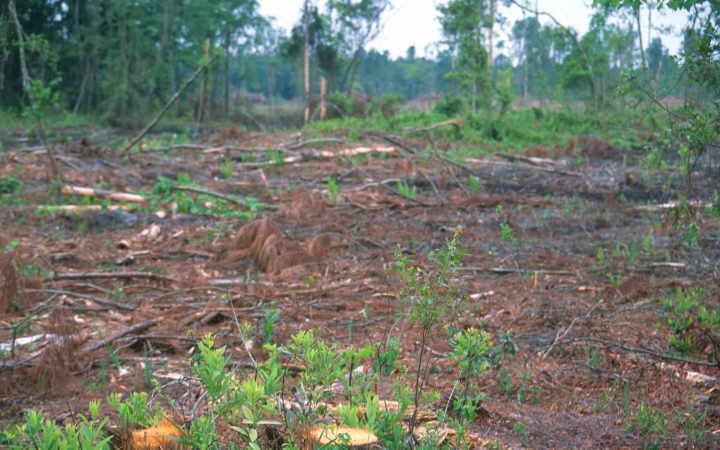
Ponds, creeks, river or lake frontage, springs and good groundwater add appeal for recreational and agricultural buyers. Merchantable timber can add substantial value — see selling land with timber. Mineral rights, if they convey with the land, can matter in some regions; check whether they were reserved by a previous owner.
10. Restrictions, Easements and HOAs
Deed restrictions, HOA covenants, conservation easements and utility easements can limit how land is used. Some restrictions protect value (e.g., well-run subdivisions), while others reduce it (e.g., a pipeline easement across the middle of a lot, or high HOA dues on an unbuildable lot).
11. Comparable Sales
Ultimately, value is what similar land actually sells for. Look for sold parcels in the same county in the past 6–24 months with similar size, access, zoning and features. Sources include county recorder data, MLS data through an agent, appraisers, and land sale databases. Adjust for differences — a comparable with power and paved frontage should sell for more than your parcel without them.
12. Market Conditions and Financing
Interest rates, local economy and lending standards affect how many buyers can afford land. Because land loans can be harder to get than home mortgages, many land buyers pay cash or use seller financing. In slower markets, land often takes longer to sell, and holding costs become a bigger factor.
Why Assessed Value Is Not Market Value
Your tax bill shows an assessed or appraised value set by the county for tax purposes. Counties use mass-appraisal methods, may update values only periodically, and in many states apply special valuations (like agricultural use) or assessment ratios. For rural land in particular, assessed value can be well above or below what the land would actually sell for. Use it only as a rough reference.
How to Estimate Your Land’s Value: A Simple Process
- Pull your parcel on the county GIS: acreage, frontage, zoning, flood zone, aerial view.
- Find 3–6 sold comparables nearby; calculate their price per acre.
- Adjust up or down for access, utilities, topography, perc, timber and water.
- Consider the realistic time to sell and the costs of selling (commission, closing, holding costs).
- For a precise number, hire a licensed appraiser who specializes in land, or ask local land agents for a broker price opinion.
How Cash Buyers Value Land
A cash buyer starts from the same market research but then subtracts the costs and risk of resale: closing costs paid on your behalf, holding costs, marketing, time and a margin. That is why cash offers are below full retail value — in exchange for speed, certainty and no fees. Compare options with our land sale calculator.
Frequently Asked Questions
Is there a free way to check what my land is worth?
Yes: county GIS and assessor sites, recorder sale data, FEMA flood maps and the USDA Web Soil Survey are free. Combine them with sold comparables for a reasonable estimate. A no-obligation cash offer is also free.
Does a survey increase land value?
A recent survey doesn’t change the land itself, but it removes uncertainty about boundaries and acreage, which can make the property easier to sell.
Why did nearby land sell for so much more than mine?
Check the differences: road frontage, utilities, perc results, flood zone, size and zoning can create large price gaps between parcels that look similar on a map.
Want a Real Number?
KB Landholdings researches every property individually and makes written, no-obligation cash offers on land in all 50 states. Tell us about your land and we’ll get back to you within 2 business days.
Thinking about selling your land?
KB Landholdings pays cash for land in all 50 states, covers closing costs and can pay delinquent taxes at closing. Getting an offer is free and there is no obligation.

We buy land directly from owners across the U.S. These guides are general information, not legal or tax advice — see our disclaimer.